How to Reduce Cart Abandonment (2026 Playbook)
Reading Time
4
Published On
Updated On

Brian Moran
Founder

Samara Lemon
VP of Marketing

Leilani Treuting
Marketing Director

Scott Moran
Co-Founder

SamCart is the digital business platform that builds, runs, and scales your online business. AI handles the hard parts, so you keep more of what you earn.
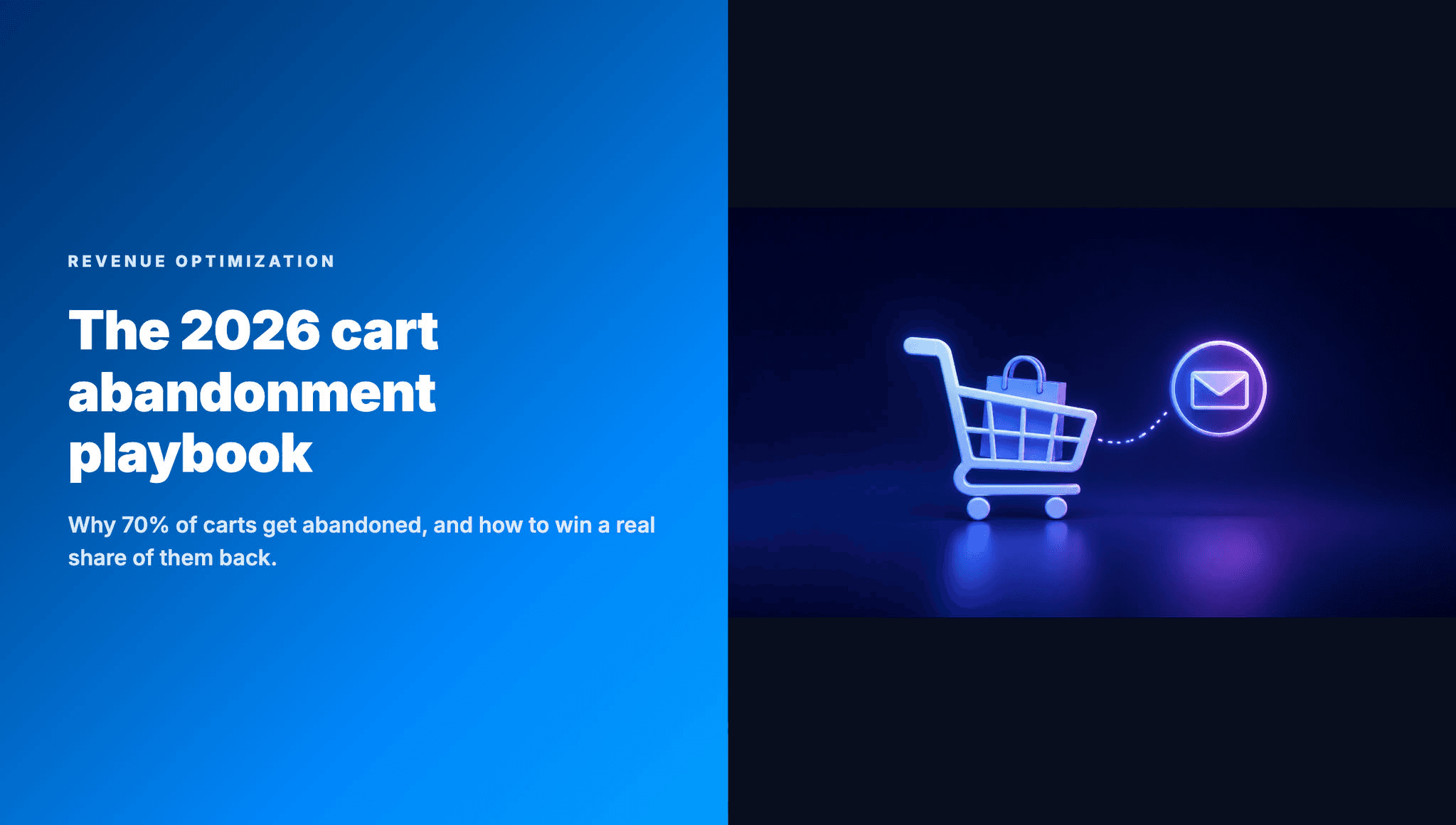
Table of Contents
Title
Share this article
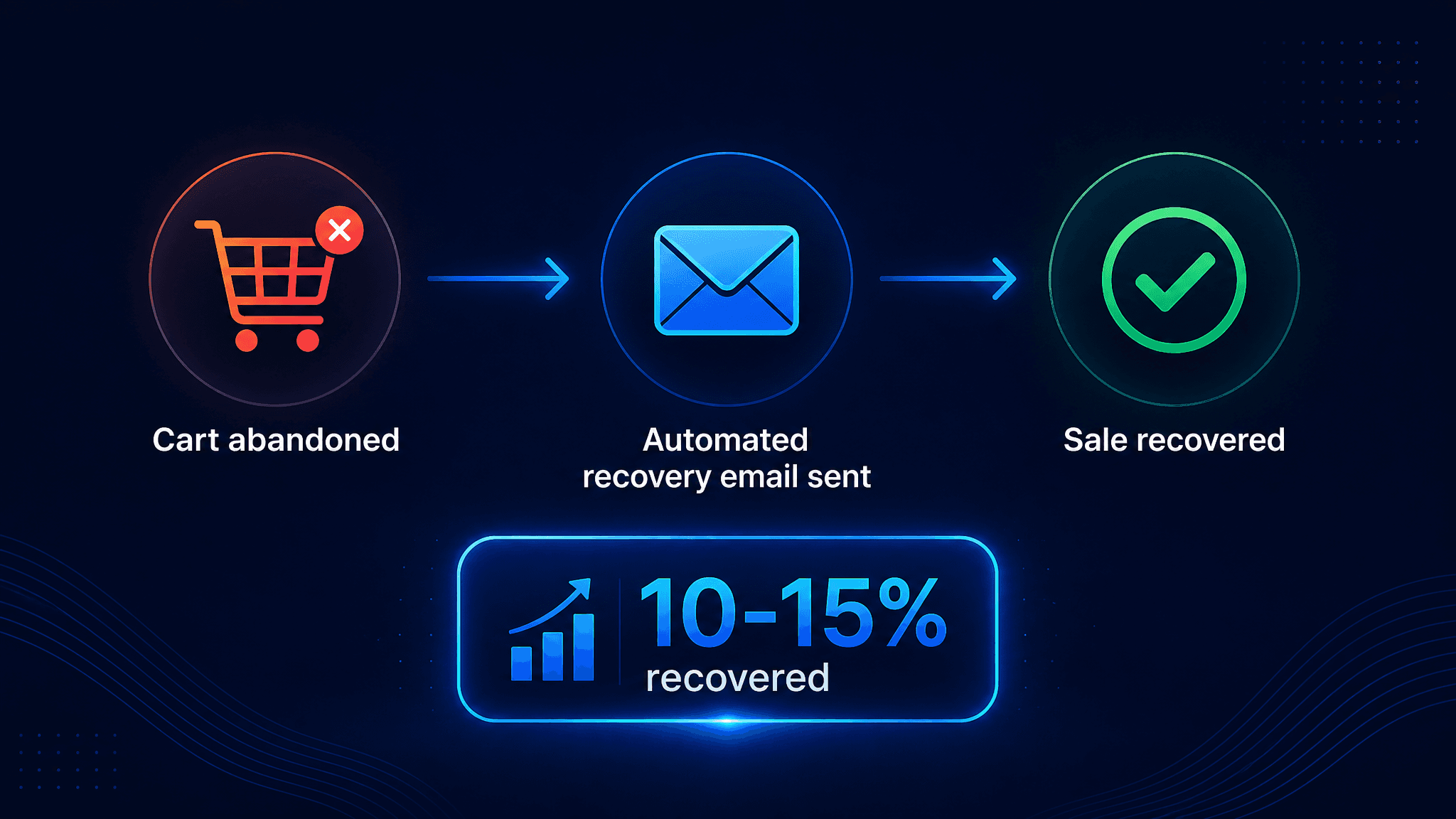
Cart abandonment drops when you remove friction from checkout, recover lost sales with automated follow-up emails, and show the right offer at the right moment. The average cart abandonment rate sits around 70%, but sellers who fix the checkout experience and add recovery emails routinely win back 10-15% of those lost sales without spending another dollar on ads.
Quotable summary: Most sellers treat cart abandonment as a traffic problem and respond by buying more ads. It's actually a checkout and follow-up problem. SamCart's built-in cart abandonment recovery reaches buyers automatically after they leave, no extra tool, no manual work, and sellers who turn it on recover sales they'd otherwise write off completely.
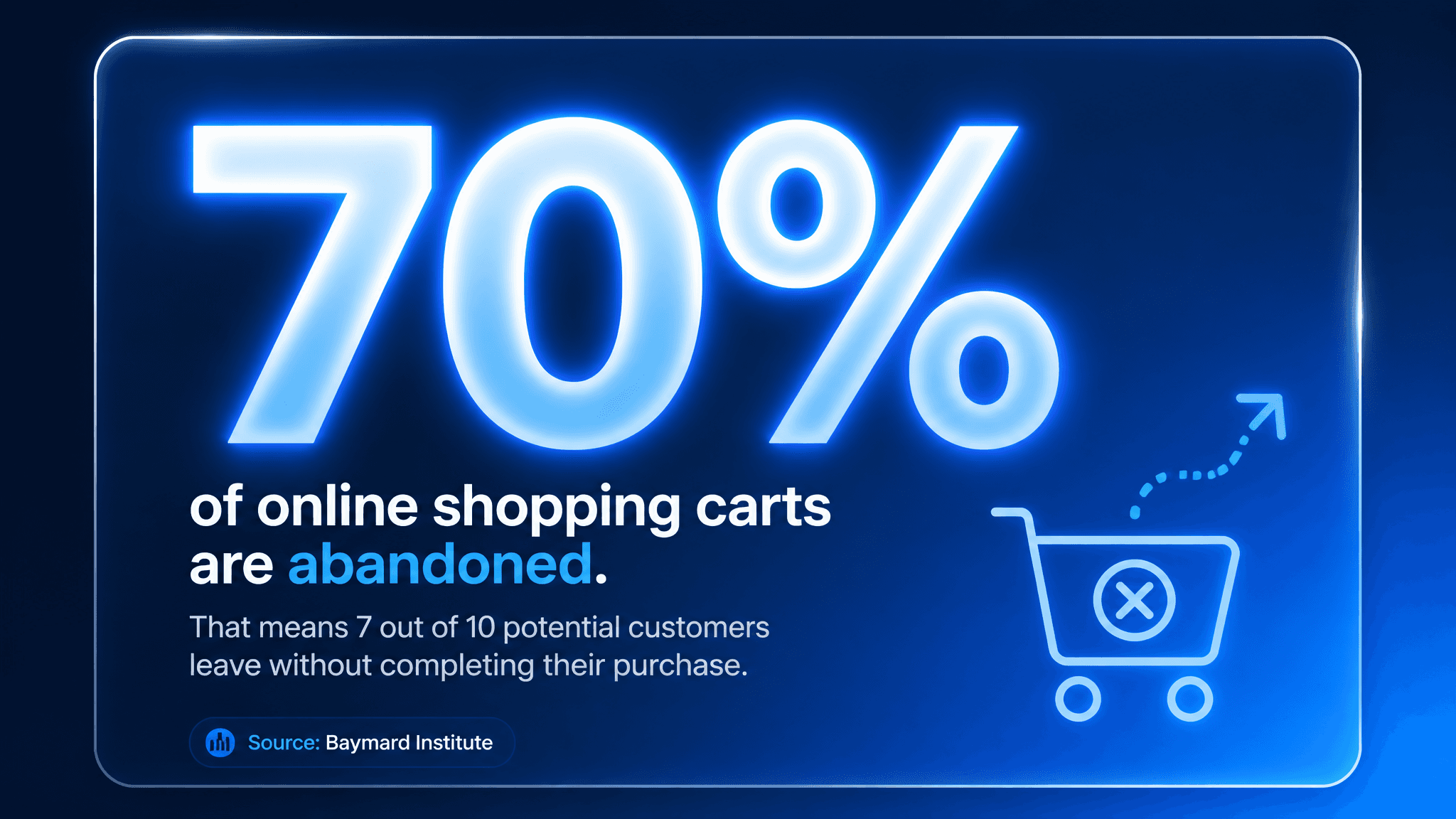
Here's the number that should change how you think about this: 7 out of 10 people who start checkout never finish it. That's not 7 out of 10 visitors. That's 7 out of 10 people who already added something to their cart, already showed intent to buy, and still walked away.
Most of that walk-away isn't about price. It's about friction, timing, or a moment of doubt that nobody addressed. The good news: most of it is recoverable, and you don't need a bigger ad budget to get it back.
This post covers what actually causes cart abandonment, the exact fixes that reduce it, and how automated recovery emails bring back sales you'd otherwise lose for good.
What is cart abandonment?
Cart abandonment happens when someone adds a product to their cart or starts the checkout process but leaves before completing the purchase. It's different from bounce rate, which measures people who never showed buying intent at all. Cart abandonment specifically measures people who were close, and then weren't.
The average cart abandonment rate across ecommerce is about 70%, according to the Baymard Institute. For digital products, that number can swing higher when checkout is slow, confusing, or asks for more information than it needs.
Why cart abandonment matters more than most sellers realize
If you're spending money to drive traffic and 70% of the people who reach checkout still leave, you're paying full price for a sale you never get. Fixing cart abandonment is one of the few changes that improves revenue without touching your ad spend or your traffic at all.
This is the math that matters: a seller getting 1,000 checkout starts a month at a 70% abandonment rate is losing 700 potential sales. Recovering even 10% of those, 70 sales, can outperform an entire month of new ad spend.
What actually causes cart abandonment
Unexpected costs at the last step
Hidden fees, tax surprises, or a total that's higher than expected kills trust right at the moment someone was about to pay. Show the real price early, not at the very end.
A checkout that's too long or too complicated
Multi-step forms, unnecessary fields, and pages that don't load fast enough all give people a reason to leave before they finish. This overlaps heavily with the checkout page optimization fixes covered in our post on the 9 changes that increase conversions.
No urgency or reason to finish right now
Without a reason to act immediately, people tell themselves they'll come back later. Most never do. A visible timer, limited availability, or a clear reason to buy now closes that gap.
Distrust at the payment step
If a checkout page looks unfamiliar, lacks security signals, or feels like it was thrown together, people hesitate right when they're about to enter card details. Trust signals near the buy button matter here.
No follow-up after they leave
This is the biggest missed opportunity. Most sellers have zero system in place to reach someone who abandoned checkout. The sale isn't gone, it's just unfinished, and unfinished sales need a nudge.
How to reduce cart abandonment (step by step)

1. Fix the checkout page first
Before you build any recovery system, remove the reasons people are leaving in the first place. A single-page, mobile-first checkout with clear pricing and minimal form fields prevents abandonment before it happens. This is the most important fix on this list.
2. Show the full price early
Don't surprise anyone with taxes or fees at the final step. If the price on the checkout page matches what they expected when they clicked "buy," you remove one of the most common reasons for last-second abandonment.
3. Turn on automated cart abandonment emails
An automated email sequence that reaches someone shortly after they leave checkout, without you lifting a finger, recovers sales you'd otherwise lose entirely. SamCart's Cart Abandonment feature does this automatically for every account, sending a follow-up to anyone who starts checkout and doesn't finish.
4. Make the follow-up specific, not generic
A recovery email that says "you forgot something" performs worse than one that shows the exact product, the price, and a direct link back to finish checkout. Specificity removes the extra step of someone having to remember what they were even buying.
5. Add a small incentive to the second touch
If the first recovery email doesn't convert, a second message with a modest incentive, a bonus, a small discount, or an added bump, can close the gap for buyers who were price-sensitive rather than distracted.
6. Test your load time on mobile
More than half of checkout traffic for most digital sellers comes from a phone. A checkout page that's slow on mobile loses buyers before they even see the form. Compress images and cut anything that isn't essential to loading.
7. Use trust signals near the payment field
A simple security badge or guarantee line placed right next to the buy button addresses hesitation at the exact moment it happens, not somewhere else on the page where it doesn't do as much work.
What this looks like in practice
A seller running a standard multi-step checkout with no recovery system in place is likely losing the majority of the 70% who abandon, permanently. Turning on even a basic automated recovery email, paired with a checkout that's already fast and simple, is the difference between writing off those sales and getting a real portion of them back with no extra ad spend.
Combine a fixed checkout (the changes in checkout page optimization) with automated recovery emails, and you're addressing both sides of the problem: fewer people leaving in the first place, and a real shot at winning back the ones who still do.
Recover the sales you're already paying for
SamCart's Cart Abandonment feature is built into every account, so recovery emails go out automatically without any extra setup. Pair it with a checkout built around the changes in checkout page optimization: 9 changes that increase conversions, and you're covering both the front door and the follow-up. See SamCart's plans or read how to increase average order value for the next step once your checkout and recovery flow are dialed in.
SamCart Editorial Team
Brian Moran
Founder
Samara Lemon
VP of Marketing
Leilani Treuting
Marketing Director
Scott Moran
Co-Founder
Frequently Asked Questions
What is a normal cart abandonment rate?
A normal cart abandonment rate is around 70% across ecommerce, according to Baymard Institute research. Digital product sellers with slow or complicated checkouts can see this rate climb higher, while sellers with a fast, simple checkout and recovery emails often bring it down meaningfully.
Do cart abandonment emails actually work?
Yes. Automated recovery emails reach buyers at the moment they're most likely to still be interested, shortly after they left checkout, and recover sales that would otherwise be lost completely. The key is sending them automatically and making the message specific to what the person was buying.
How soon should a cart abandonment email be sent?
A cart abandonment email should send within a short window after someone leaves checkout, while the purchase is still fresh in their mind. Waiting too long reduces the odds of recovery significantly.
Does adding fees at checkout increase abandonment?
Yes. Unexpected costs revealed at the final step are one of the most common reasons people abandon a cart they were otherwise ready to complete. Showing the full price earlier in the process reduces this specific type of abandonment.
Can I reduce cart abandonment without spending more on ads?
Yes, and this is usually the better first move. Fixing checkout friction and turning on automated recovery emails both improve the sales you get from traffic you already have, without requiring any additional ad spend.